The cleaning products aisle is overwhelming. Twenty different sprays, a dozen mop systems, three brands of bleach, all promising to revolutionise your weekend. Most of it is marketing. The actual list of products that genuinely work in an Australian home is shorter than you’d think.
This guide cuts through it. We’ll cover the products that consistently perform well in Australian conditions, the eco-friendly brands worth supporting, the categories where cheap and expensive give the same results, and the items honestly not worth the money.
Disclaimer: this isn’t a sponsored post. We use a lot of these products at Perth Cleaning Care every day and have tested most of them in client homes across Perth over the years. That’s the basis for everything below.
What “Best” Actually Means
Three things matter when choosing cleaning products:
- Performance. Does it actually work?
- Safety. Is it safe for your family, pets, and the environment?
- Value. Are you paying for the product or the marketing?
The best product for your home depends on which of these you weigh highest. A serious eco household picks differently from a household with three kids and a Labrador. We’ll cover both.
Pantry Essentials That Don’t Need a Brand
Before specific products, the four ingredients that handle most of your cleaning don’t need a brand name at all.
Bicarb soda. Any supermarket box. Coles, Woolworths, and ALDI all stock it. Useful for grease, baked-on food, mould, odours, and as a mild abrasive scrub.
White vinegar. Cheapest option from any supermarket. Cuts limescale, soap scum, and hard water stains. Disinfects glass, tiles, and most non-porous surfaces.
Lemons. Fresh or bottled juice. Acidic, antibacterial, smells good. Great for cutting boards and chrome taps.
Eucalyptus oil. Bosisto’s is the iconic Australian brand. Cuts grease, deodorises, and works as a natural disinfectant. Sold at every supermarket, chemist, and Bunnings.
These four in your cupboard handle 70 to 80% of routine cleaning at a fraction of the cost of branded products.
Best All-Purpose Cleaners
Eco choice: Koh Universal Cleaner. Australian-made, plant-based, refillable, no harsh chemicals. Works on benchtops, glass, tiles, stainless steel, and most floors. Pricier upfront, but a single bottle lasts 6+ months. The refillable system reduces plastic waste meaningfully.
Mid-range: Earth Choice Multipurpose Cleaner. Australian-made, plant-based, certified Good Environmental Choice. Sold at Coles and Woolworths for under $5. Gentle, effective, no fumes.
Conventional: Pine O-Cleen Multipurpose Spray. Strong disinfectant action. Good if you specifically need disinfection during illness in the household. Stronger smell, more chemical load.
For most Perth households, Earth Choice is the sweet spot of price, performance, and safety.
More Post:
Best Kitchen Products
- Best degreaser: Bar Keepers Friend. Powder form. Brilliant on stainless steel sinks, cooktops, copper, and ceramic. Removes baked-on grease, hard water marks, and rust spots that nothing else touches. A $7 tin lasts most households a year. Sold at Bunnings and Coles.
- Best dish soap (eco): Earth Choice Dishwashing Liquid. Plant-based, biodegradable, gentle on skin. Cleans well in Perth’s harder water without leaving residue.
- Best dish soap (conventional): Morning Fresh. Australian-made, highly concentrated, strong cutting power on grease.
- Best dishwasher tablets: Finish Quantum. Powerful, dissolve fully, work in cooler cycles. The cheaper supermarket-brand tablets often leave residue, especially in Perth’s hard water.
- Best oven cleaner (DIY): Bicarb soda and vinegar. Full method covered in our oven cleaning post. Outperforms commercial oven cleaners for normal build-up, no fumes.
- Best oven cleaner (commercial, when needed): Mr Muscle Oven Cleaner. For ovens that have been ignored for years. Strong fumes, gloves, and ventilation are essential. Use sparingly.
Best Bathroom Products
- Best mould remover: Concrobium Mould Control. Available at Bunnings. No bleach, no harsh fumes, encapsulates mould rather than just bleaching it. Better long-term than spray-and-pray bleach products.
- Best toilet cleaner (eco): Earth Choice Toilet Cleaner. Effective, plant-based, biodegradable. Coles and Woolworths.
- Best toilet cleaner (heavy duty): Domestos. The Australian classic. Strong bleach formulation, very effective for stubborn stains and disinfection. Not eco-friendly.
- Best soap scum remover: White vinegar spray. Mix 50/50 with water. Outperforms most commercial soap scum products. Leave for 5 minutes, scrub, rinse.
- Best limescale remover: CLR (Calcium, Lime, Rust). Available at Bunnings. Strongest off-the-shelf option for taps, kettles, and shower heads. Use gloves and ventilation.
- Best grout cleaner: Hydrogen peroxide (3%). $3 a bottle from any chemist. Spray neat, leave 10 minutes, scrub with an old toothbrush. Beats most commercial grout cleaners and skips the chemical fumes.
Best Floor Cleaning Products
- Best floor cleaner (general): Bona Floor Cleaner range. Specific formulations for hardwood, laminate, tile, and stone. Doesn’t leave residue. Sold at Bunnings.
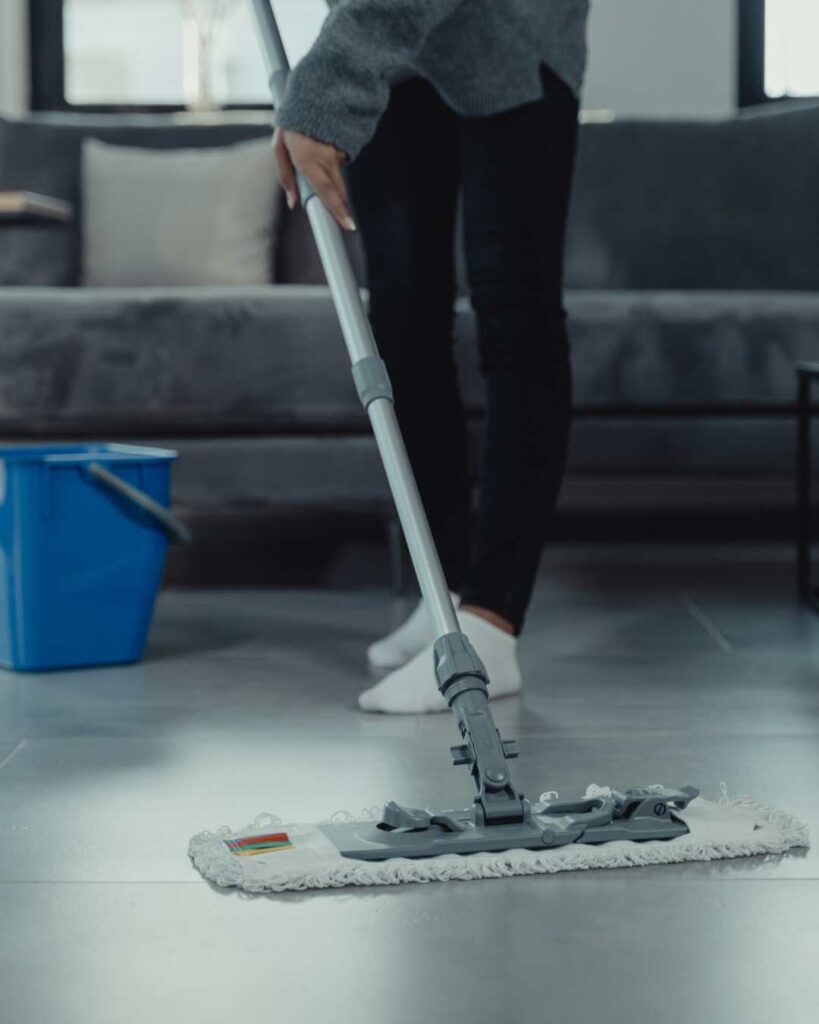
- Best mop: Sabco Microfibre Mop. Australian brand, widely available. Flat mop with reusable, washable pads. Works for most floor types. Replaces expensive disposable mop systems.
- Best floor steamer: Bissell PowerFresh Steam Mop. Steam cleans without chemicals. Good for tile and sealed hard floors. Don’t use on unsealed wood.
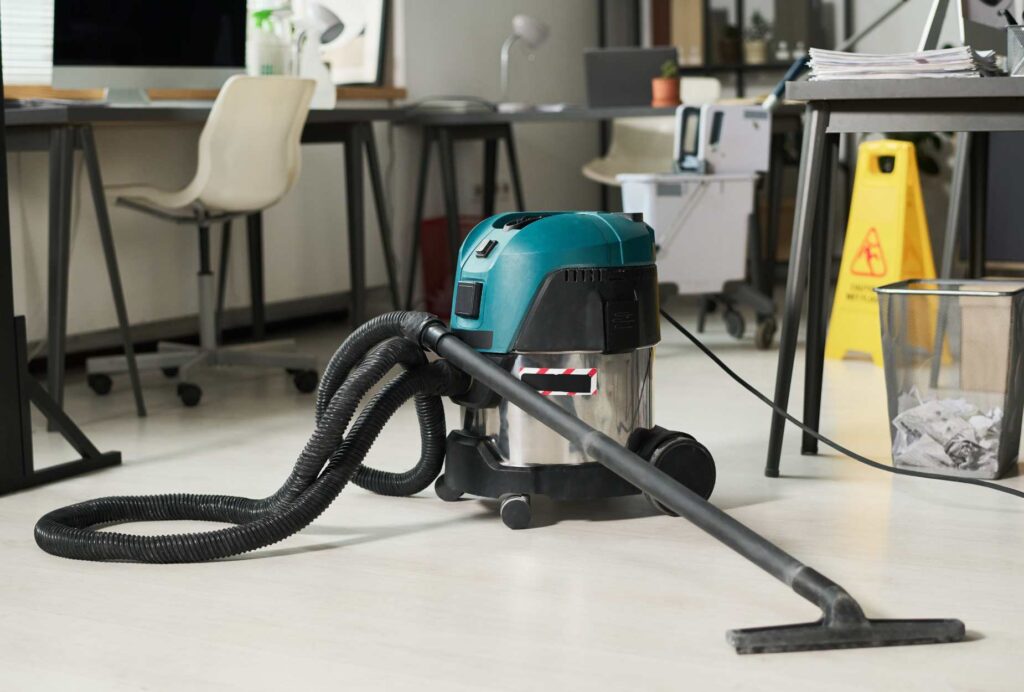
- Best vacuum (premium): Miele. Bagged, HEPA-filtered, sealed system. Gold standard for dust-prone homes and households with allergies. Lasts 15+ years.
- Best vacuum (mid-range): Dyson V series. Cordless, lightweight, strong suction. Great for daily use. Bagless isn’t ideal for severe allergies, but it works for most homes.
- Best robot vacuum: Roborock or iRobot Roomba. Both widely available in Australia. Robot vacuums maintain a low dust baseline if run daily. Pair with a proper weekly vacuum for best results.
Best Laundry Products
- Best laundry detergent (eco): Earth Choice Laundry Liquid. Plant-based, low chemical load, gentle on sensitive skin.
- Best laundry detergent (conventional): Cold Power. Australian classic, works in cold water (saves energy), strong on stains.
- Best fabric softener replacement: White vinegar. Half a cup in the rinse cycle softens fabric and eliminates static without chemicals. Your clothes don’t smell like vinegar afterwards.
- Best stain remover: Sard Wonder Soap. Australian-made bar form. Excellent for spot-treating stains before washing. Lasts months.
- Best dryer balls: Wool dryer balls (any brand). Reusable, lasts for years, reduces drying time, eliminate the need for dryer sheets. Available at Bunnings and online.
Best Window and Glass Cleaners
- Best DIY: 50/50 vinegar and water. With a microfibre cloth, it beats most commercial window cleaners. Streak-free, no chemicals.
- Best commercial: Windex. Effective and fast, but it contains ammonia. Fine for occasional use, overkill for routine cleaning.
- Best squeegee: Ettore brass squeegee. Available at Bunnings. Professional-grade, lasts decades. Worth the upfront cost if you clean windows regularly.
Best Eco-Friendly Australian Cleaning Brands
A focused list worth supporting:
- Koh. Concentrated, refillable, plant-based. Multi-purpose.
- Earth Choice. Affordable, supermarket-available, certified low-impact.
- Resparkle. Refillable, Australian-made, fully natural.
- Bosisto’s. Eucalyptus oil products, Australian since 1852.
- Tri Nature. Hypoallergenic, salon-grade quality, Australian-made.
- Ecostore. New Zealand-made, plant-based, widely available.
- Method. Imported, plant-based, design-led packaging.
- Aware. Sensitive-skin laundry products, Australian.
At Perth Cleaning Care, our defaults are eco-friendly and plant-based. We’ve tested most of these brands across thousands of client jobs.
Best Cleaning Tools
Tools matter more than products in many cases.
- Microfibre cloths. Buy in bulk. Sabco, Chux, and generic Bunnings packs all work. Wash on hot water weekly.
- Rubber gloves. Cheap, replaceable. Multipack, separate gloves for kitchen and bathroom.
- Plastic scraper. For oven glass, cooktops, and stuck-on residue. $3 at Bunnings.
- Old toothbrushes. The single most useful free tool. Grout, taps, around drains, behind handles.
- Spray bottles. Glass spray bottles from supermarkets ($5 to $10) last longer than plastic and don’t degrade with vinegar.
- Sectioned bucket or caddy. For carrying products and tools from room to room. Saves trips back to the cupboard.
- Vacuum attachments. Most people don’t use the attachments that their vacuum came with. The soft brush attachment for upholstery and curtains is the most underused tool in a household.
Products That Are Mostly a Waste of Money
Said honestly:
- Most “antibacterial” wipes. Marketing first, results second. Plastic waste. A microfibre cloth and any cleaner do the same job.
- Plug-in air fresheners. Pump synthetic chemicals into the air for hours. Open windows instead.
- Carpet “freshening” powders. Plain bicarb does the same job for a fraction of the cost.
- Single-use disposable mop pads. Costly over time, and high plastic waste. Reusable microfibre pads work better.
- Branded “stainless steel polish”. A drop of olive oil on microfibre does the same job.
- Branded “stovetop cleaner”. Bicarb paste outperforms most.
- “Mould bombs”. Marketing-heavy, often less effective than hydrogen peroxide.
If you’ve spent more than $5 on something marketed as solving one specific problem, there’s usually a $1 generic substitute that works the same.
More Post:
Where to Buy in Australia
Different shops for different things:
- Coles and Woolworths. Eco brands, supermarket essentials, basic tools.
- Bunnings. Heavy-duty cleaners, mops, vacuums, specialty tools, and professional-grade products.
- Chemist Warehouse. Hydrogen peroxide, eucalyptus oil, and basic supplies are often cheaper.
- ALDI. Surprisingly good private-label cleaning products at lower prices.
- Amazon Australia and Catch. Specialty items, Bar Keepers Friend, Bona, bulk packs.
- Brand websites. Resparkle and Tri Nature are easier to source directly.
The Professional Cleaner’s Kit
Bias acknowledged: this is what we use at Perth Cleaning Care.
We carry a small kit of products and a stack of microfibre cloths:
- Plant-based all-purpose cleaner (eco-friendly, biodegradable)
- White vinegar
- Bicarb soda
- Hydrogen peroxide for mould
- A stainless steel cleaner
- Eucalyptus oil for stubborn marks and odours
- Bona for hardwood floors
That’s it. No specialty product for every surface. The simpler kit covers more, costs less, and reduces chemical exposure for our clients and our staff.
Australian Cleaning Products FAQ
What’s the most useful cleaning product to keep at home?
Bicarb soda and white vinegar. Between them, they handle most kitchen, bathroom, and laundry tasks. Add a plant-based all-purpose cleaner, and you’re set for 80% of routine cleaning.
Are eco-friendly cleaning products as effective as conventional ones?
For most household tasks, yes. They sometimes need slightly more contact time, but the trade-off is no harsh fumes and lower environmental impact. Heavy-duty industrial cleaning is the exception.
What’s the best brand of cleaning products in Australia?
Depends on the category. Earth Choice for value across most categories. Koh for refillable concentrate. Bar Keepers Friend for stainless steel. There’s no single brand that wins every category.
Should I use bleach to clean my home?
Sparingly. Bleach is harsh, leaves residue, and isn’t necessary for routine cleaning. Reserve it for specific situations like deep mould issues, or skip it entirely in favour of hydrogen peroxide.
Where do professional cleaners buy their products?
Mostly the same places everyone else does, plus specialty wholesalers for bulk. Most reputable cleaners (us included) use eco-friendly products available at supermarkets and Bunnings, not industrial chemicals.
Are robot vacuums worth it?
For maintenance, yes. They keep a low dust baseline if run daily. They don’t replace a proper weekly vacuum but reduce dust between deeper cleans.
How do I store cleaning products safely?
Out of reach of kids and pets, ideally in a high cupboard or locked area. Keep original labels intact. Don’t decant chemicals into unlabelled bottles. Eco products are safer, but still keep them away from young kids.
Do you provide cleaning products on every job?
Yes. Perth Cleaning Care brings everything needed: eco-friendly products, microfibre cloths, vacuums, mops, the lot. Nothing is required from the client.
What’s the best product for hard water marks in Perth?
White vinegar or CLR for severe build-up. Perth’s water is harder than the eastern states, so limescale builds faster on taps, kettles, and shower screens. Weekly vinegar wipes prevent it from building up.
The Bottom Line
The best cleaning products for Australian homes aren’t always the most expensive ones. A small kit of eco-friendly basics, a few specialty products for specific jobs, and good microfibre cloths handle almost everything most homes need. Save your money on the gimmicky stuff.
If you’d rather skip the products entirely and have professionals handle it for you, Perth Cleaning Care brings all the gear, uses biodegradable products, and covers every Perth suburb. Get a free quote, and we’ll take it off your hands without you needing to step into the cleaning aisle.