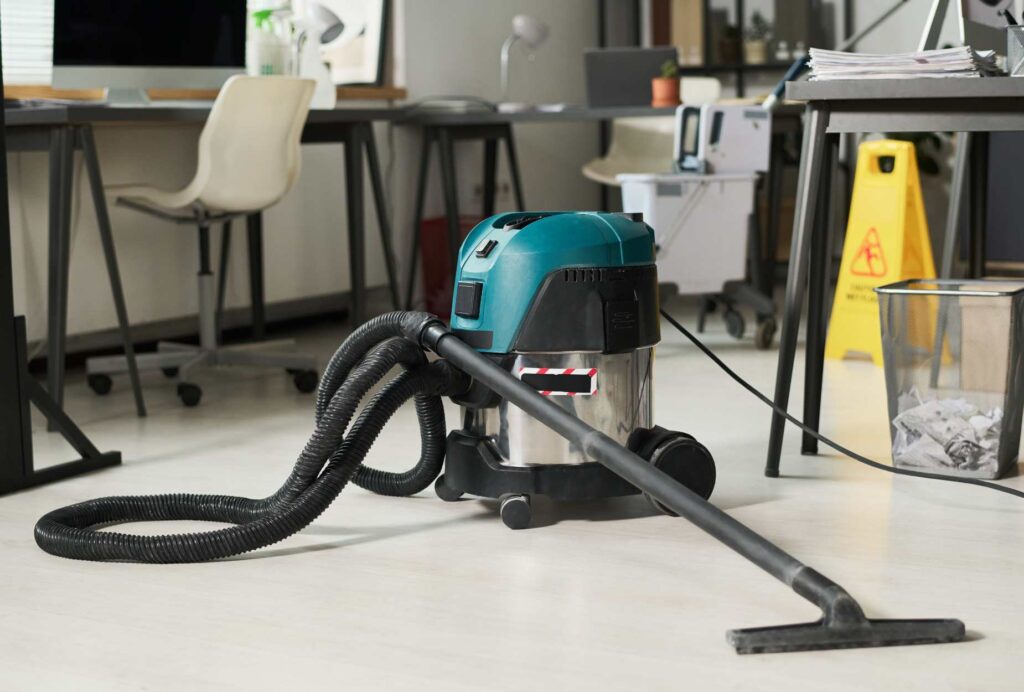
Dust is one of those problems that feels endless. You wipe a shelf, three days later, it’s back. The truth: you’ll never have a fully dust-free home (it’s physically impossible), but you can dramatically reduce how much builds up between cleans.
This guide covers where dust actually comes from, why some homes attract more of it than others, and the small habits and techniques that genuinely cut the load. Plus the tools that work and the ones that don’t.
We deal with dust every day at Perth Cleaning Care, and the patterns are consistent across thousands of Perth homes. Everything below comes from what we see working in practice.
Where Household Dust Actually Comes From
Most household dust isn’t blown in from outside. It comes from inside your home.
Common sources, ranked roughly by contribution:
- Dead skin cells (humans shed enormous amounts every day)
- Fabric and carpet fibres
- Pet hair and dander
- Pollen tracked in from outside
- Dust mites and their waste
- Mould spores
- Fine particles from cooking
- Soil and sand from outside
- Insect remains
- Paper and book dust
In Perth specifically, two extra sources hit harder than in other capitals:
- Fine red dust from easterly winds during dry months
- Beach sand in coastal suburbs
If your home is within 5km of the coast, sand will be a year-round companion. If you’re inland or near bushland, summer easterlies and dry conditions add a layer of red dust most weeks. Both raise the baseline cleaning frequency.
Why Some Homes Have More Dust Than Others
Several factors decide how dusty your home gets:
- Carpet vs hardwood. Carpets trap dust and act as long-term dust reservoirs. Even a clean-looking carpet holds dust deep in the fibres.
- Soft furnishings. Heavy curtains, throw rugs, decorative cushions, and upholstered furniture store dust and release it every time someone sits down.
- Ventilation. Homes with good airflow lose dust to outdoor exchange. Sealed-up homes trap dust inside, so it recirculates.
- Pets. Two cats or a long-haired dog can easily double the dust load in an average home.
- Number of people. More residents = more skin cells, more fabric movement, more dust.
- Cleaning frequency. Weekly regular cleaning keeps the baseline low and helps your health. Monthly cleaning lets dust build up in between.
- Location. Coastal Perth homes deal with sand. Hills suburbs deal with bushland pollen and dust. New estates deal with construction dust.
Top to Bottom: The Right Order
The single biggest mistake people make when dusting is going in the wrong order.
Dust a bookshelf first and vacuum the floor last, and every particle you knock off settles on the floor, where you then vacuum it up. Do the floor first and the bookshelf second, and you’ve just dusted the floor again.
Correct order, every time:
- Ceiling fans and light fittings
- Tops of cupboards, wardrobes, and high shelves
- Picture frames, wall art, and high decor
- Door frames and skirting boards (top edges first)
- Furniture surfaces (shelves, desks, side tables)
- Electronics
- Lower furniture (TV stands, low tables)
- Soft furnishings (cushions, throws)
- Vacuum the floor
- Mop hard floors
This order works because gravity does some of the work. Anything you knock loose falls onto a surface that hasn’t been cleaned yet, so you catch it on the way down.
Damp Microfibre, Not Dry
Dry dusters (especially feather dusters) just move dust around. They lift it into the air, it floats briefly, then settles on another surface.
Damp microfibre cloths actually pick up dust and hold it. The fibres trap particles electrostatically and don’t release them when you move the cloth.
Process:
- Wet a microfibre cloth, wring it out so it’s damp, not wet
- Wipe top to bottom in single passes (don’t go back and forth)
- Use a fresh cloth every two rooms
- Wash microfibre cloths weekly on hot
Avoid:
- Feather dusters (spread, don’t collect)
- Dry rags (push dust around)
- Disposable wipes (mostly chemical, mostly waste)
- Dusting sprays (unnecessary, leave residue)
Spots Most People Miss
Routine dusting hits the obvious surfaces. The high-impact spots are the ones routinely missed:
- Tops of door frames and tops of doors themselves
- Tops of wardrobes and tall furniture
- Skirting boards (the top edge especially)
- Behind and under furniture
- Window tracks and ledges
- Inside light fittings
- Ceiling fan blades
- Air vents and registers
- Behind curtains
- Underneath couches and beds
- Lampshades
- Behind the TV
- Behind picture frames
- Inside cupboards (top shelves)
- Under the bed (always worse than you expect)
A monthly pass through this list cuts ambient dust dramatically. Most are 30-second jobs that simply haven’t been done in months. Window tracks deserve extra care, so here’s how to clean windows like a professional.
Air Filtration: Vacuums and HVAC
What pulls dust out of the air matters as much as what wipes it off surfaces.
- Vacuum cleaners. HEPA-filter sealed-system vacuums trap fine dust instead of blowing it back out. Non-HEPA vacuums are dust redistributors, not dust removers.
- Vacuuming frequency. Once a week, minimum. Twice a week if you have pets, allergies, or wall-to-wall carpet.
- Air conditioning filters. Reverse-cycle and split-system AC filters need cleaning every 1 to 3 months. Dirty filters blow dust back into the room.
- Air purifiers. Useful if anyone has serious allergies or asthma. A HEPA air purifier in the main living area and bedroom makes a noticeable difference.
- Ducted system filters. Often forgotten. Get them cleaned annually if you have ducted heating or cooling.
Habits That Reduce Dust at the Source
Cleaning faster is one approach. Generating less dust is the better long-term solution.
Shoes off at the door. Shoes track in soil, sand, pollen, and pollutants. A no-shoes policy is the single easiest habit to adopt.
Quality doormats. A coir doormat outside and an absorbent microfibre mat inside catch dirt before it spreads.
Wash bedding weekly. Bedrooms are some of the dustiest rooms. Skin cells, dust mites, and fabric fibres accumulate there fast.
Wash or vacuum soft furnishings quarterly. Curtains, throws, and decorative cushions collect dust over time.
Close windows during dust storms. Perth’s easterly winds bring red dust during summer and autumn. Close windows on high-dust days, especially in the afternoon.
Reduce paper clutter. Books, magazines, and stacks of paper shed cellulose fibres constantly. Less paper means less dust.
Clean filters regularly. AC filters, vacuum filters, dryer lint traps, and range hood filters all need regular cleaning or dust just recirculates.
Soft Furnishings: The Dust Traps
Cushions, rugs, curtains, upholstered furniture, and throw blankets are dust storage units. They collect particles, hold them in fabric, and release them every time you sit, stand, or shake them.
To reduce dust in soft furnishings:
- Vacuum upholstered furniture weekly with the soft brush attachment
- Take throw rugs outside and shake or beat them weekly
- Wash washable cushion covers monthly
- Vacuum curtains with the soft brush attachment monthly, and wash twice a year
- Steam clean upholstered furniture every 6 to 12 months
- Consider leather or vinyl upholstery for high-dust homes (easier to wipe down)
For step-by-step help, see how to clean upholstery at home.
In bedrooms specifically, decorative cushions are a known dust source. If allergies are a problem, reduce them to one or two and wash covers regularly.
Carpet vs Hardwood
Hardwood, tile, and vinyl flooring are genuinely better for dust-prone households or anyone with allergies. Carpet traps dust deeply and acts as a slow-release reservoir. It also helps to know how to remove carpet stains easily before a spill sets in.
If you have carpet:
- Vacuum twice weekly with HEPA filtration
- Steam clean every 6 to 12 months
- Use rugs that can be removed and shaken outside
- Avoid high-pile carpets in bedrooms
If you have hardwood:
- Mop weekly with a damp microfibre mop (not soaking)
- Use a soft broom or vacuum on hard-floor mode
- Avoid harsh detergents that strip the finish
For most Perth homes, a mix works well: hard floors in living areas, low-pile carpet or rugs in bedrooms.
Pets and Dust
Pets contribute heavily to household dust through hair, dander, and tracked-in debris.
If you have pets:
- Brush them outdoors (never indoors) weekly
- Vacuum twice weekly with a pet-rated vacuum
- Wash pet bedding weekly
- Wipe pets down after they’ve been outside in dusty conditions
- Consider a HEPA air purifier in the main living areas
Some breeds shed less than others. A long-haired dog or heavily moulting cat can double the cleaning frequency needed to keep dust under control. If your carpets are taking the worst of it, see our carpet cleaning tips for pet owners in Perth.
Electronics: Dust Magnets
Electronics attract dust electrostatically and run hotter when dusty.
- Use a microfibre cloth (slightly damp) for screens, never a paper towel
- Compressed air for keyboards, vents, and fan grilles
- Unplug computers and dust the back vents quarterly
- Don’t spray cleaner directly on screens
Dusty TV backs and computer fans aren’t just untidy. They reduce performance and shorten the device’s lifespan.
Perth-Specific Dust Challenges
Three things hit Perth households harder than most other capitals:
Easterly winds and red dust. Summer easterlies blow inland dust across the city. Coastal suburbs cop the worst. Close windows on still, hot afternoons and run the AC on recirculate.
Beach sand. Within 5km of the coast, sand is available year-round. Sturdy doormats, a shoes-off policy, and a vacuum by the front door help enormously.
Bushfire smoke and ash. During fire season, smoke and ash settle on surfaces inside and outside. Wipe down regularly and clean AC filters more often.
When Professional Cleaning Makes Sense
Some dust-related jobs are worth handing off:
- Carpet steam cleaning (deeper than a home rental machine)
- Window track and frame deep cleaning
- High ceilings, fans, and tall light fittings
- Air conditioning system clean (ducted especially)
- Annual deep clean covering spots that don’t get touched in regular cleans
- Post-construction clean-ups after renovations
Perth Cleaning Care covers all of these as part of our regular and deep cleaning services. Police-cleared staff, eco-friendly products, HEPA-filter equipment, and the right techniques to reduce dust without spreading it back into the air.
If you’re weighing up professional help, see DIY vs professional cleaning – which is better for your Perth home? and what is included in a professional cleaning service. Before a visit, it also helps to know how to prepare your home for a cleaning service.
Dust Control FAQ
Why does my house get dusty so quickly?
A combination of factors: carpet, soft furnishings, pets, ventilation, climate, and cleaning frequency. No single factor is usually responsible – it’s the combination.
What’s the best tool for dusting?
Damp microfibre cloth. Picks up dust instead of moving it around. Avoid feather dusters and dry rags.
How often should I dust?
Weekly for visible surfaces. Monthly for spots like skirting boards, tops of cupboards, and behind furniture.
Do air purifiers really reduce dust?
A HEPA air purifier reduces airborne particles, which means slightly less dust settles on surfaces.
Are dust mites the same as dust?
No. Dust mites live in dust (especially in bedding and carpets) and feed on the skin cells in dust.
How can I reduce dust in my bedroom specifically?
Wash bedding weekly at 60°C, vacuum carpets weekly, reduce decorative cushions and soft toys, run an air purifier overnight.
Do you offer regular dust-control cleaning in Perth?
Yes. Perth Cleaning Care offers regular weekly, fortnightly, and monthly cleaning across every Perth suburb.
What’s the worst time of year for dust in Perth?
Late summer through early autumn. Easterly winds bring inland dust, fire season adds smoke and ash, and dry conditions mean more airborne particles.
Is it worth getting carpets professionally steam cleaned for dust control?
Yes, especially for households with allergies or pets. Steam cleaning extracts dust, dust mites, and allergens trapped deep in the fibres.
The Bottom Line
Keeping a home dust-free isn’t about constant cleaning. It’s about a weekly routine, the right tools (damp microfibre, HEPA vacuum), a few habit changes (shoes off, regular AC filter cleaning, washing bedding), and the occasional deep clean for the spots regular dusting misses.
If you’d rather hand the routine off entirely, Perth Cleaning Care handles regular dust-controlling cleans across every Perth suburb. Get a free quote, and we’ll keep your home consistently clean without you chasing the dust yourself.